

Crafting Hyper-Realistic Scenes with UndressAI Neural Models
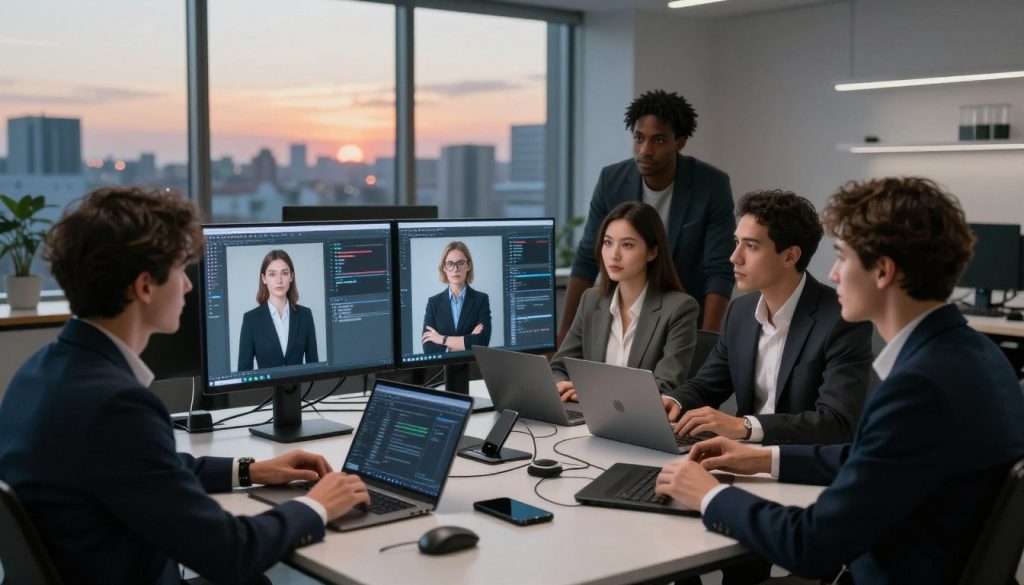
Have you ever thought about if digital dreams and real images are now the same? With technology getting better, making amazing, real-looking pictures is now possible at home.
You can now make top-notch content from your own computer. Using advanced neural networks, you can push creative limits that were once thought impossible.
The platform offers over 50 unique generation modes. This lets you control your art fully. Whether you’re new or experienced, learning these tools helps you get exceptional results easily.
This guide will show you the key mindset and technical steps to succeed. Get ready to handle the challenges of modern image synthesis with confidence and skill.
Key Takeaways
- Access over 50 distinct generation modes for versatile content creation.
- Learn the foundational skills required to master neural model synthesis.
- Achieve professional-grade visual quality through intuitive platform tools.
- Develop the necessary mindset to navigate complex digital artistry projects.
- Gain confidence in producing high-quality, detailed imagery efficiently.
Understanding the Foundations of Neural Image Synthesis
Unlocking top-notch results in neural image synthesis starts with understanding its architecture. Modern tools use advanced AI, like OpenAI’s Sora, for stunning visuals. They learn to create detailed images from simple inputs by processing huge datasets.
This tech doesn’t just copy pixels; it reconstructs reality with learned patterns. Interacting with these models is like working with a smart engine that mimics how we see the world. To master it, you need to grasp how it handles body data and math.
How Neural Networks Interpret Human Anatomy
Neural networks see human anatomy by spotting spatial relationships and key markers in data. They don’t just see a body as a flat picture. Instead, they map out bones and muscles. This lets the AI keep things right even when poses or lights change.
The system uses key principles for accuracy:
- Feature Mapping: Finds important joints and limbs for correct size.
- Pattern Recognition: Learns how skin and muscles move.
- Contextual Awareness: Changes body details based on the scene.
The Role of Latent Space in Image Generation
Latent space is like a math map that turns text prompts into detailed images. It’s a space where every image feature has a spot. When you give a prompt, the AI searches this space for the right mix of features.
“Latent space is the hidden engine of creativity, where mathematical vectors are woven into the fabric of visual art.”
By tweaking these math spots, the model can tweak things like texture, light, and depth. Effective prompt engineering helps guide the AI better. This makes sure the final image matches your vision and stays true to form.
Preparing Your Source Material for Optimal Results
Getting the best results from neural models starts before you click the generate button. The quality of your input affects the final output. By spending time on preparation, you make sure the AI has the right data to create lifelike images easily.
Selecting High-Resolution Base Images
A good base image is key to success. Choose files with sharp details and clear features. Stay away from blurry or pixelated photos, as they can cause the AI to make mistakes.
High-resolution images help the algorithm get textures and skin tones right. When the image is clear, the AI can understand the subject better. Always aim for images with high pixel density for the best results.
Managing Lighting and Contrast for AI Processing
Neural models need clear visual cues to tell surfaces and depths apart. Good lighting is crucial for defining body contours and skin texture. If the image has uneven lighting, the AI might struggle to create realistic shadows and highlights.
Look for images with balanced contrast. High contrast can hide important details. A wide dynamic range in your source material helps the model handle complex lighting better.
Removing Noise and Artifacts Before Uploading
Digital noise and compression artifacts can mess up AI generation. These flaws can confuse the neural network, causing grainy textures or strange artifacts. Clean the image before uploading using standard editing software.
Removing these distractions lets the AI focus on the subject. A clean, noise-free image is easier for the model to understand. This simple step can make a big difference in the quality of the output.
Mastering Anatomical Accuracy in AI Generation
The secret to creating realistic AI images is in the precise alignment of skeletal and muscular frameworks. Achieving anatomical accuracy is key, needing a deep understanding of how neural models see the human body. By focusing on these elements, your final image will be both smooth and believable.
Understanding Skeletal Proportions and Muscle Structure
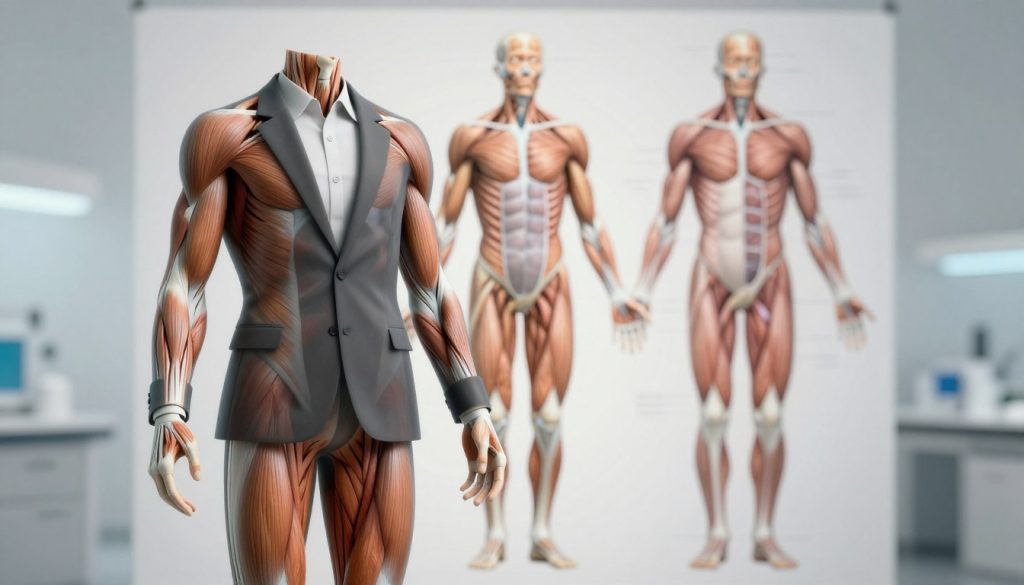
Neural models work best with a clear guide on human proportions. You must look at the skeletal structure to ensure limbs and joints are right. Proper scaling of these parts prevents the “uncanny valley” effect that can ruin digital scenes.
When you focus on anatomical accuracy, the AI can better place muscle groups. This makes the image look more natural, especially when moving or posing. Keeping structural logic consistent leads to high-quality results that meet your standards every time.
Correcting Common Distortion Issues in Neural Models
Distortions happen when the model has trouble with depth or overlapping limbs. You can fix these by refining your input and giving clearer pose guidance. Identifying these issues early is key to keeping your work intact.
If you see unnatural bending or missing parts, tweak your prompts’ weights. The platform aims to prevent common errors, but your input is crucial for quality. Careful iteration helps the model grasp the right spatial relationships between body parts.
Maintaining Consistency Across Different Angles
Consistency is crucial when working with various views of the same subject. Aim to keep skeletal proportions steady, even with changing camera angles. Locking in specific anatomical markers ensures the AI keeps a consistent look across frames.
By using these methods, your scenes will appear natural and smooth from any angle. This level of control helps you create professional content that feels cohesive and polished. Consistent output is the ultimate goal for any creator aiming to master neural synthesis.
Refining Skin Texture and Lighting for Hyper Realistic AI Porn
Light and skin work together to create amazing digital scenes. For hyper realistic ai porn, getting the surface right is key. This ensures your work looks professional and cinematic, no matter the angle.
Simulating Subsurface Scattering for Realistic Skin
Subsurface scattering makes skin look real by scattering light under the surface. Without it, skin looks flat or plastic. This breaks the illusion of realism.
“True realism in digital art is found in the subtle ways light behaves when it hits a surface, not just in the sharpness of the image.”
To get this effect, tweak the light absorption in your settings. This gives skin a soft, glowing look under natural light. Proper scattering adds depth and warmth, essential for top-notch results.
Adjusting Global Illumination to Match Source Environments
Global illumination makes light in your scene interact with the environment. If your subject is in a specific setting, the lighting should match. This makes your work look professional.
Adjust the ambient light to match the environment’s color. When lighting feels right, your subject looks like they belong. This cinematic consistency is key to quality.
Applying Texture Overlays for Enhanced Detail
Even with great lighting, adding detail can make a big difference. High-resolution texture overlays bring in micro-details like pores and fine lines. These details are vital for a hyper realistic ai porn look.
Try different overlay intensities to find the perfect balance. Layering these textures makes skin feel real and authentic. This final step boosts your project’s visual quality.
Step-by-Step Workflow for UndressAI Neural Models
Streamline your creative process with a precise, step-by-step approach. A consistent workflow is key to creating hyper realistic ai porn and keeping your project organized. This method ensures 100% safety and privacy throughout your creative journey.
Configuring Initial Model Parameters
First, define your base parameters to guide the model’s artistic intent. Choose the right resolution and noise levels that match your source material. Proper configuration helps avoid artifacts and ensures high-quality output.
Make sure your privacy settings are active in the dashboard. This keeps your data safe while the neural network works on your inputs. These early steps lay a solid foundation for your hyper realistic ai porn projects.
Executing the Primary Generation Sequence
Lock in your parameters and start the primary generation sequence. The model will map the latent space to your image, creating detailed features. Monitoring the progress bar lets you see how the AI handles textures and lighting.
If the first pass looks off or lacks detail, don’t worry. Most pros do a second pass to refine the image. This process is designed to be iterative, allowing you to tweak variables until you’re satisfied.
Iterative Refinement and Masking Techniques
Refinement brings your vision to life. Use masking tools to focus on specific areas needing more work, like skin texture or lighting. Targeted adjustments enhance realism in your hyper realistic ai porn without altering the whole image.
| Parameter | Low Setting | High Setting |
|---|---|---|
| Denoising Strength | Preserves Original | High Creativity |
| Masking Precision | Broad Coverage | Fine Detail |
| Lighting Intensity | Soft Shadows | High Contrast |
Troubleshooting Failed Generations and Glitches
Sometimes, you might see visual glitches or distortions. If the output looks broken, try lowering the denoising strength. Consistent testing of different seeds often fixes these issues.
If the model can’t process an image, check if the file type and resolution are compatible. Most problems come from unsupported file types or images too small for the model. By following these steps, you ensure a smooth and private experience every time.
Advanced Prompt Engineering Techniques
Effective prompt engineering is key to turning your ideas into stunning visuals. It’s about how you talk to the neural model. This way, you can make abstract ideas into real images that amaze you. It’s crucial for getting professional-quality results.
Structuring Descriptive Prompts for Better Fidelity
To get top-notch results, give the model clear, detailed language. Talk about the scene’s main parts, like lighting, углы, and textures. This helps the AI create what you want.
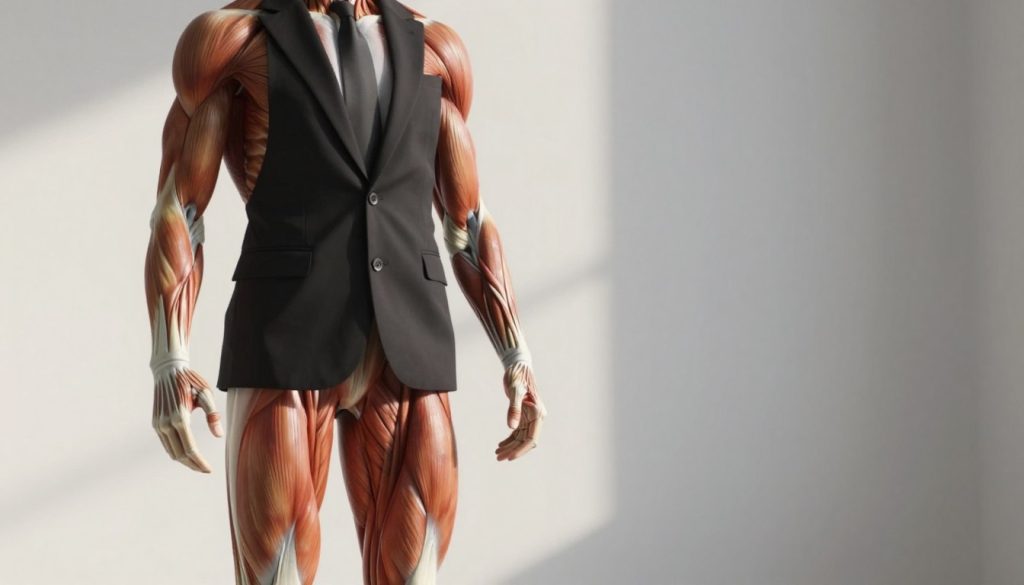
When drawing people, focus on their body shape and how they stand. This ensures the figures look real. Use specific words to avoid any mix-ups.
Precision in your words is key. Choose words that clearly describe what you want. This way, the model knows exactly what to do.
Utilizing Negative Prompts to Eliminate Unwanted Features
Negative prompts help remove unwanted parts from your image. By telling the model what not to include, you improve the image’s quality. This is great for keeping figures looking right.
These prompts also help avoid background mess or style issues. This keeps your main subject clear and professional. Consistency is what makes a good prompt strategy.
Balancing Creative Freedom with Model Constraints
You can input any idea, but you must also consider the model’s limits. Finding the right balance lets you create amazing images with fluid motion. Knowing these limits helps avoid over-processing or losing your scene’s essence.
Try different prompts to see how the model reacts. By tweaking your prompts, you find the perfect mix of creativity and technical skill. This balance is what makes your images exceptional every time.
Post-Processing and Upscaling Strategies
Turning raw AI output into a masterpiece requires several key steps. The initial generation sets the base, but final touches make it professional. Spending time on these adjustments can turn a basic render into a high-quality visual asset.
Using AI Upscalers to Enhance Final Resolution
Start by making your image clearer. Many platforms let you upscale images to 4K resolution for free. This is crucial for removing artifacts and making the skin texture sharp, even on big screens.
Color Grading and Tone Mapping for Cinematic Quality
After optimizing resolution, focus on the scene’s mood. Color grading adjusts colors and saturation to set the atmosphere. Tone mapping manages contrast between light and dark areas.
These steps combine to add cinematic quality. Adjusting color temperature or adding film grain makes scenes feel real. Keeping settings consistent ensures a professional look in all your work.
Final Touches in External Editing Software
For detailed projects, use external editing software. It lets you make precise changes missed by automated tools. You can fine-tune skin texture or lighting to fit your scene.
Professional tools offer full control over your final piece. Attention to detail here makes a big difference. Always aim to enhance natural features while keeping the look clean and professional.
Ethical Considerations and Responsible Usage
Creating hyper-realistic content is powerful and needs careful handling. As you use neural models, remember to respect others’ rights. This ensures your work is safe and respectful. Integrity in your work is key for sustainable AI.
Respecting Privacy and Consent Standards
Getting proper consent is crucial when using generative tools. Never create images of people without their okay. Respecting personal boundaries is essential for a healthy digital space.
Make sure your sources follow privacy laws. Using unauthorized data can cause big problems. By prioritizing consent, you protect your subjects and your own reputation.
Navigating Platform Terms of Service
Every platform has rules to keep its community safe. Read the terms of service to know your rights and duties. These rules tell you what’s not allowed and how the platform checks for misuse.
Being open about how your data is used is also important. The site uses cookies to make your visit better and asks for your okay for third-party tracking. Knowing how your data is handled keeps you informed as you use the platform.
| Practice | Recommended Action | Risk Level |
|---|---|---|
| Consent Management | Obtain written permission | Low |
| Data Privacy | Review cookie settings | Medium |
| Terms Compliance | Follow platform guidelines | Low |
| Content Usage | Verify source ownership | High |
Conclusion
You now have the skills to create amazing images using neural networks. By using these techniques, you can turn simple data into detailed pictures of the human body.
Creating high-quality images is all about knowing your tools and having a clear vision. Tools like Stable Diffusion give you the power to make your images look real. With practice, you can make skin look realistic and control the lighting.
Being honest and respectful is key when you’re working with images of people. Always make sure you have the right to use someone’s image. This way, your work will be meaningful and ethical.
Don’t be afraid to try new things and share your work. Talking to others who value both skill and creativity will help you grow. Your fresh ideas will help shape the future of digital art.
FAQ
How does the AI Porn Generator platform ensure professional-grade results for my projects?
The platform uses advanced neural models and offers over 50+ generation modes. It works like OpenAI’s Sora, understanding complex instructions. This way, it creates high-fidelity images that meet professional standards.
What is the significance of latent space in achieving a hyper realistic ai porn aesthetic?
Latent space is a mathematical framework for organizing visual data. The AI uses it to transform simple text into detailed visuals. This ensures every pixel adds to a lifelike scene.
Why is the quality of my source material so critical for the final output?
High-resolution base images are key for the AI to grasp details. Proper lighting and contrast before uploading help the AI process the input better. This reduces noise and improves anatomical accuracy.
How can I correct common distortion issues like limb misalignment or unnatural posing?
Focus on skeletal proportions and muscle structure for accuracy. Use iterative refinement and masking techniques to correct distortions. You can also adjust prompts for better body mechanics and positioning.
What technical features contribute to the realistic look of human skin in these generations?
The models simulate subsurface scattering to mimic light through skin. Global illumination adjustments and skin texture overlays add to the natural look. This makes the images stand out as professional.
Can I maintain 100% safety and privacy while using UndressAI neural models?
Да, the platform prioritizes responsible usage and privacy. Your workflow is protected, and data security is ensured. The website uses cookies to enhance your experience.
How does prompt engineering help in eliminating unwanted artifacts from my scenes?
Negative prompts tell the model what to avoid, like extra limbs. This balances creative freedom with accuracy. It ensures the output meets your standards for detail and realism.
What are the best post-processing steps to achieve 4K cinematic quality?
Use AI upscalers to enhance resolution to 4K after the initial generation. Sharpen the skin texture and details. Then, use color grading and tone mapping in software like Adobe Photoshop for cinematic excellence.
What should I know about the platform’s Terms of Service regarding consent and ethics?
The community values responsible usage. Understand the ethical boundaries in the Terms of Service. This ensures safe and legal use of AI for creating hyper realistic ai porn.
How do I handle failed generations or glitches during the workflow?
Troubleshoot by checking model parameters and prompts for contradictions. If a glitch happens, use masking to regenerate parts of the image. This keeps the workflow smooth and efficient.