

Daily Creation Habit: 30-Minute Practice Framework

Ever wondered why your big creative projects don’t start? Many find it hard to keep going because they see art as a huge task. Consistency is key to turning ideas into real works of art.
Just thirty minutes a day can change your creative game. It turns random energy into a reliable and sustainable lifestyle. You’ll learn to fit a focused routine into your busy life, staying productive and inspired.
You don’t need hours of free time to create. A smart, doable system fits into your busy life. Let’s dive into how to make your creative dreams a reality.
Key Takeaways
- Focus on small, thirty-minute sessions to build lasting momentum.
- Overcome creative blocks by prioritizing consistency over intensity.
- Integrate your practice into existing schedules for better adherence.
- Transform sporadic bursts of inspiration into a reliable workflow.
- Develop a sustainable system that supports your long-term artistic goals.
The Psychology of Consistent Creative Output
Your brain is wired to save energy. This is why a routine is key to being productive. When you do something often, your brain uses the basal ganglia to make it automatic. This frees up your mind for more creative tasks.
Understanding the Power of Micro-Habits
A study in the European Journal of Social Psychology found it takes 66 days to form a habit. Breaking big goals into smaller tasks makes them easier. This way, you build momentum without feeling overwhelmed.
By focusing on a daily routine, you create a cycle of success. Each day you work, you strengthen your creative neural pathways. Soon, starting your work becomes second nature.
Overcoming Creative Resistance and Procrastination
Procrastination often comes from fear of starting big projects. Committing to a 30-minute routine helps you avoid this fear. You’re not trying to finish a huge project; you’re just practicing.
This approach makes starting your work easier. When tasks seem small, your brain doesn’t get stressed. Here’s how your routine grows over time.
| Phase | Focus Area | Psychological Goal |
|---|---|---|
| Days 1-22 | Initiation | Building initial momentum |
| Days 23-44 | Consistency | Reducing mental friction |
| Days 45-66 | Automation | Solidifying the habit loop |
Defining Your AI Porn Daily Habit
Transforming your creativity starts with a clear plan for daily practice. Creating a consistent ai porn daily habit is more than just showing up. It needs a strategic use of your time.
By organizing your thirty-minute sessions, you move closer to your artistic vision with each moment. This structure is key to making every second count.
Setting Realistic Expectations for Daily Practice
Many creators face challenges because their goals are too big. The two-minute rule helps you start small, making it easier to stick to your ai porn daily habit, even on busy days.
Small, measurable wins build confidence. This confidence helps you keep going without burning out. Celebrate your daily progress, not just big milestones.
Identifying Your Core Creative Goals
To define your ai porn daily habit, know what you want to achieve. Align your daily actions with your long-term goals for real growth. Use the table below to categorize your objectives and stay focused.
| Goal Category | Primary Focus | Expected Outcome |
|---|---|---|
| Technical Skill | Prompt Engineering | Higher Image Quality |
| Visual Style | Lighting & Color | Consistent Aesthetic |
| Workflow Speed | Elaborazione batch | Increased Output |
| Creative Growth | Concept Exploration | Unique Artistic Voice |
Identifying your core creative goals makes every minute count. This focus turns a simple ai porn daily habit into a powerful tool for growth. Stay focused on these goals, and you’ll see your skills grow over time.
Preparing Your Workspace for Rapid Execution
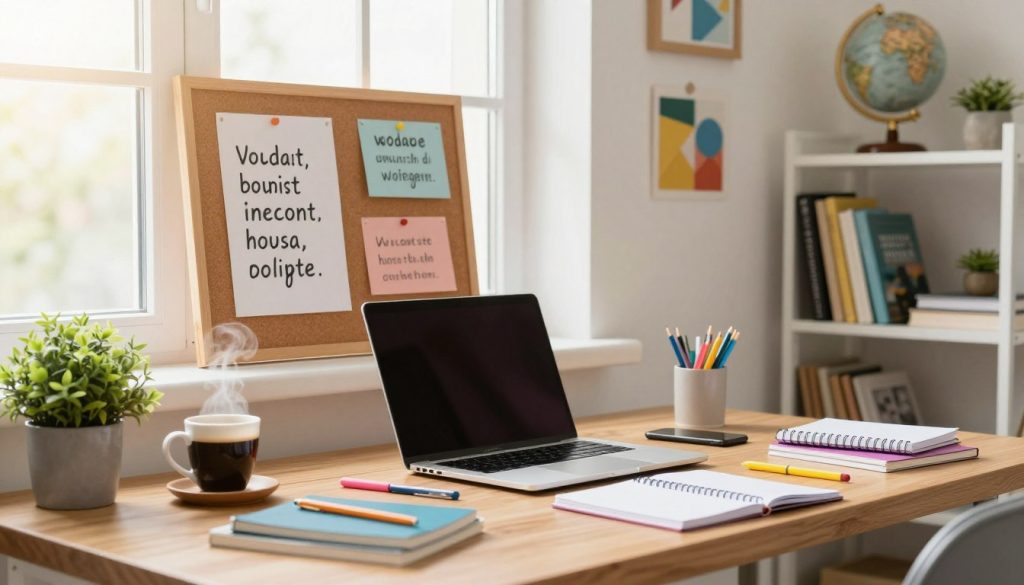
Designing your workspace for quick work can cut down on creative blocks. An optimized space means less time setting up and more time creating. It helps keep your focus on the task at hand by removing distractions.
Essential Software and Hardware Requirements
Your hardware needs to be fast and reliable for a daily creative routine. A solid-state drive (SSD) and enough RAM make AI software run smoothly. This prevents tech issues that can break your flow.
For software, keep your tools up-to-date and ready to go. Automating your startup process lets you dive into work without delay. A simple software setup is key to a productive routine.
Organizing Digital Assets for Efficiency
A messy file system can exhaust your mind. Use a clear naming system for all projects and assets. This makes finding past work quick and easy.
Cloud-based storage keeps your files in sync across devices. This means you can work anywhere, in qualsiasi momento. Consistent organization helps you focus on creating, not searching for files.
Phase One: The Five-Minute Warm-Up
Start your day with five minutes of preparation to unlock your full potential. This short time helps you move from your daily routine to a focused state. It makes sure your skill building stays consistent and effective.
Brainstorming Concepts and Visual Themes
Many creators face the challenge of the “blank page” syndrome. Begin by jotting down ideas or sketching quick visual themes. This way, you avoid wasting time waiting for inspiration.
Focusing on small, manageable concepts gets your creative juices flowing. Defining your visual direction early gives your brain a clear path. This habit is key to building skills.
Reviewing Previous Work for Iterative Improvement
Science proves that spaced-out practice strengthens neural pathways more than intense, single sessions. Reviewing yesterday’s work reinforces learning and highlights areas for improvement. This ensures each day builds on the last.
Look for small details in your past projects to refine. Even a small tweak can lead to big improvements in your skill building journey. Consistency in review is crucial for mastering skills over time.
Phase Two: The Twenty-Minute Core Creation Session
The middle twenty minutes of your session are key for skill growth. By focusing on deep work, your skills improve with each session. This is the core of your ai porn daily habit, where you bring your vision to life through careful experimentation.
Mastering Prompt Engineering Techniques
Good prompt engineering mixes clear language with logical structure. You need to learn a set of keywords that get the look you want. Consistent practice is crucial, as it changes your brain by rewiring it.
- Use specific subject descriptors to define your focal point.
- Apply style modifiers to control the artistic medium.
- Experiment with word order to influence the weight of specific tokens.
Refining Composition and Lighting Parameters
After your prompt is set, focus on the image’s technical side. Adjusting composition helps guide the viewer’s eye. Try different camera angles and framing to add depth.
Lighting sets the mood and realism of your image. Whether you like soft light or dramatic shadows, tweaking these settings is key. Small changes in light can greatly affect your image’s impact.
Advanced Techniques for High-Quality Output
To improve, go beyond basic generation. Use negative prompts to remove unwanted details and keep your work clean. Also, manage seed numbers to refine your composition without losing its essence.
Phase Three: The Five-Minute Review and Archive
Having a consistent routine at the end of your session is key to growing as an artist. The last five minutes are crucial for reviewing your progress and getting ready for tomorrow. This short time for reflection helps keep your creative path well-documented and easy to follow.

Curating Your Best Daily Results
Choosing your best work shows you the tangible evidence of your growth. It’s a great motivator to keep going. By picking your top pieces, you strengthen the habits that lead to quality work.
Tracking your work gives you feedback and keeps you on track. A digital folder of your daily best helps you see how you’ve grown. This routine focuses on quality over quantity.
Documenting Lessons Learned for Future Sessions
Reflecting on your work is the best way to avoid making the same mistakes again. Writing down what worked and what didn’t turns every experience into a lesson. This method helps you keep improving your skills and workflow.
Use a simple log to jot down your insights. This routine keeps you moving forward, even when you hit technical hurdles. Here’s a table to help you organize your daily review for better results.
| Review Category | Action Item | Expected Outcome |
|---|---|---|
| Visual Curation | Save top 3 images | Build a portfolio of success |
| Technical Notes | Record prompt tweaks | Faster execution next time |
| Workflow Audit | Identify bottlenecks | Improved daily routine |
| Goal Alignment | Check progress metrics | Increased long-term focus |
Overcoming Common Creative Plateaus
Hitting a creative plateau is a normal part of your journey toward mastery. Even the most dedicated creators face moments where progress seems stalled. Seeing this as a temporary phase is the first step in your skill building journey.
Strategies for When You Feel Uninspired
Feeling uninspired might mean your body is stressed. High stress levels can hurt your brain’s ability to think creatively. This makes you stick to old habits instead of trying new things.
To fight this, try to lower your stress before starting. Simple actions like deep breathing or taking a break from screens can help. Consistency matters more than intensity when you’re struggling to find your spark.
Adjusting Your Workflow to Break Through Stagnation
If you’re stuck, it’s time to tweak your workflow, not start over. A small change in your environment or tools can spark new ideas. You don’t need a big change to see big improvements in your work.
Here are some practical tweaks to keep your momentum:
- Change your environment: Move your workspace to a different room or adjust your lighting to shift your mood.
- Limit your tools: Use only one software feature or technique for a session to force creative problem-solving.
- Review past successes: Look at your previous work to remind yourself of your progress in skill building.
- Set a micro-goal: Focus on completing just one small element of a project instead of the whole thing.
By staying flexible, your creative practice can keep growing. Keep trying different approaches until you find what works best for you.
Scaling Your Skills Through Deliberate Practice
Research shows that our brains can change a lot as adults. By using this fact in our creative work, we can make everyday tasks help us get better. Putting in consistent effort is the best way to master something over time.
Tracking Progress Over Time
To really grow, we need to look at facts, not just how we feel. Keeping a log of our daily work helps us see patterns. This way, we know which skills need more work.
Use a spreadsheet or a journal to track your daily work. Looking at it each week shows us how we’re improving. This helps us keep getting better, not just doing the same thing over and over.
Expanding Your Creative Repertoire Beyond Basics
After learning the basics, we need to try new things. Staying in our comfort zone too long can make us stop growing. By trying new things, we make our brains work harder and get better.
Try something new every week. This keeps our work interesting and stops us from getting stuck. Here’s how to move from basic to advanced skills.
| Growth Stage | Primary Focus | Success Metric |
|---|---|---|
| Beginner | Learning Tools | Completion Rate |
| Intermediate | Refining Style | Consistency of Quality |
| Advanced | Skill Building | Innovation and Complexity |
Conclusion
Your journey to creative mastery starts with daily practice. Spend just thirty minutes each day. This creates a rhythm that helps you grow over time.
This consistent effort changes how you use your tools and ideas. It makes your creative process smoother.
Small efforts add up to big changes. Even if progress seems slow, keep going. Your dedication shapes a more intentional creative life.
By showing up for your work, you gain clarity and confidence. This is true, no matter what’s happening around you.
Build a structure to make your daily decisions easier. Focus on steady skill building to stay productive and inspired. Start your next session today to see how these habits shape your artistic voice.
Your future self will thank you for the discipline you build in these moments. These quiet, focused moments are key to your growth.
FAQ
How does the brain’s neurological structure support a consistent ai porn daily habit?
Your brain uses the basal ganglia to make habits automatic. By sticking to a 30-minute routine, you avoid overthinking. This makes your ai porn habit a natural part of your day, not a constant struggle.
What specific hardware and software are recommended to minimize distractions during a session?
Use an NVIDIA GeForce RTX 4090 for fast rendering. Streamline your software to focus on prompts. Keep your models and files organized for a smooth start.
Why is the five-minute warm-up critical for your skill building and routine?
The first five minutes get your brain ready for deep work. It helps you build on yesterday’s work, not start from scratch.
How can you master technical parameters like composition and lighting in just twenty minutes?
Focus on specific skills in the core session. Use a timer to make quick decisions in Stable Diffusion. This sharpens your skills faster than browsing.
What should you do when you hit a creative plateau or feel uninspired?
Try new things to break through a plateau. Change your workflow or try a new style. Recognizing stress can also help.
How does documenting lessons learned help you scale your skills over the long term?
Keep your best work and note what made it great. Use tools to track your progress. This helps you grow and improve over time.
How do you set realistic expectations to avoid burnout during your daily practice?
Aim for small wins to keep motivation high. Break your habit into 30-minute sprints. This keeps the process fun and sustainable.