

File Management & Naming Conventions for Generations
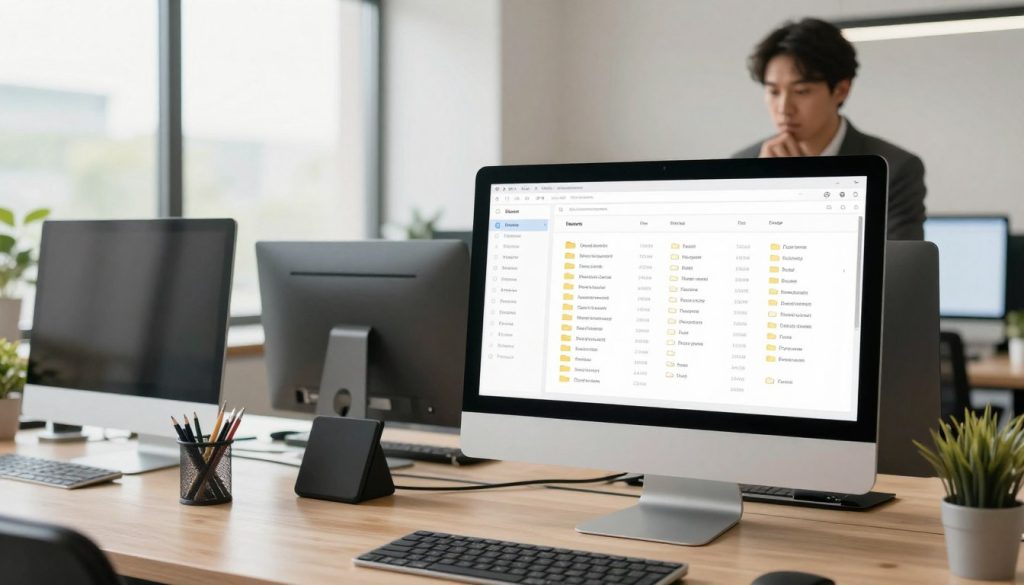
Ever spent hours looking for a digital item, only to find your collection is a mess? Digital clutter grows with your interests. Without a plan, your library loses value and becomes hard to find.
Using ai porn file management is key to keeping your collection safe. A consistent system turns a messy folder into a vault that works well. It saves time and keeps your data safe for years.
Learning ai porn file naming is the next step. A logical structure in your asset organization gives you control over your digital space. This guide shows you how to go from a messy storage to a smooth, professional workflow.
Key Takeaways
- Establish a consistent naming structure to improve searchability.
- Use a dedicated digital vault to keep your assets secure.
- Prioritize organization to prevent long-term data loss.
- Automate your workflow to save time and reduce manual effort.
- Maintain a clean library to ensure your collection remains accessible.
The Importance of AI Porn File Management
Effective ai porn file management is key to a smooth creative workflow, especially with lots of AI output. As your collection grows, random folders can quickly turn into chaos. A solid digital asset management plan keeps your work easy to find and safe.
Why Organization Matters for Large Libraries
As your library gets bigger, finding specific assets fast becomes hard. Without clear file naming conventions, searching for a single file can take hours. A well-organized library makes it easy to find and use your content.
Keeping things tidy also boosts your computer’s speed. Thousands of files in one place slow down your system. Organizing your assets into clear categories keeps your digital asset management system fast and efficient.
Preventing Data Loss and Fragmentation
Knowing your file system is key to keeping your data safe. Different formats handle storage in their own ways, and picking the right one can avoid problems like fragmentation. NTFS, exFAT, and FAT32 all support long file names, which helps with labeling.
Good organization is your first line of defense against losing data by accident. When files are scattered, it’s easy to delete important work. A consistent file system structure keeps your data safe from damage.
| File System | Best Use Case | Max File Size | Compatibility |
|---|---|---|---|
| NTFS | Windows Internal Drives | Extremely Large | Windows Only |
| exFAT | External Storage | Extremely Large | Windows & Mac |
| FAT32 | Legacy Devices | 4 GB Limit | Universal |
Establishing a Robust Folder Hierarchy
Transform your messy files into a neat archive with a solid folder hierarchy. A well-organized directory structure makes finding files easy. It works whether you’re on Windows or another system, as long as you’re consistent.
Structuring by Project and Date
Organize your file storage by project and date for an easy-to-use library. Use folders labeled by year, month, and project name. This keeps your main directory tidy and prevents it from getting too full.
- Create a top-level folder for each major project.
- Use a standard date format like YYYY-MM-DD to keep folders in order.
- Add descriptive project names to make searching faster.
Categorizing by Model and Style
Group your content by AI model or artistic style used. This file hierarchy makes finding assets by look or origin quick. It saves time when you need a specific style.
Effective asset organization means categorizing files in a way that fits your workflow. If you use different AI tools, separate them by model name. This turns your storage into a professional database.
Creating Sub-folders for Raw vs. Processed Assets
Keeping raw and final files separate is key to a clean directory structure. This way, your original files are safe from being overwritten or lost during editing.
This habit keeps your work safe and your file storage organized. Store raw files in a “Source” folder and final versions in a “Final” folder. This makes it easy to find your most important content when you need it.
Developing Consistent AI Porn File Naming Conventions
Transforming a messy collection into a neat archive is possible with the right file naming. A logical strategy makes your assets easy to find. By improving your ai porn file naming skills, you’ll save a lot of time later.

The Anatomy of a Perfect Filename
A great filename is like a unique ID for your media. To keep your file system healthy, avoid special characters that cause errors. Don’t use symbols like <, >, :, “, /, \, |, ?, ou * in your names.
Stick to letters, numbers, underscores, or hyphens. A good filename includes the date, model name, and a short description. This standardized approach helps avoid file damage and works on all platforms.
Using Prefixes for Quick Sorting
Prefixes help group similar files together easily. By starting with a category code, your file system sorts them logically. This is super helpful when you have lots of images.
- Use three-letter codes for specific models or themes.
- Apply numeric prefixes for a custom sequence that beats alphabetical order.
- Keep prefixes short so the full filename shows up in your file explorer.
Standardizing Date Formats for Chronological Order
Keeping your library organized by date is key. The ISO 8601 format, YYYY-MM-DD, is the best way to do this. It makes your directory structure sort files by year, month, and day.
Using this format makes your computer sort files numerically. This simple change means you don’t have to sort files manually. It keeps your latest files at the top and makes your directory structure grow smoothly.
Implementing Metadata and Tagging Systems
Metadata tagging is key to a well-organized library for AI content. Filenames are basic but don’t hold enough info for asset organization. Adding searchable data makes your files easy to find, even when storage changes.
Embedding Data Directly into Files
Putting data directly into image files is smart. It uses formats like EXIF or IPTC to store important info. This way, your data stays with the image, no matter where it goes.
“The true power of a library lies not in the number of files, but in the ability to retrieve the exact asset you need in seconds.”
Utilizing Sidecar Files for Extended Information
When you need to store more data than image headers allow, sidecar files are the answer. These small files, in JSON or XMP format, hold lots of metadata. They’re easy for software to read.
- JSON files: Great for complex data.
- XMP files: Works well with design and photography software.
- Portability: Keeps your main image files simple.
Choosing the Right Software for Asset Organization
Finding the right software is crucial for keeping your metadata tagging system working. You need software that handles both embedded data and sidecar files. Good digital asset management software makes it easy to find and organize your files.
| Software Type | Metadata Support | Best For |
|---|---|---|
| Bridge/Lightroom | High (XMP/IPTC) | Visual Browsing |
| Custom Python Scripts | Unlimited (JSON) | Automated Workflows |
| Dedicated DAM Tools | Advanced | Large Scale Libraries |
Creating a structured system turns a messy folder into a professional archive. Good asset organization means your best work is always ready when you need it.
Securing Your Assets with Encrypted Vaults
Keeping your sensitive assets safe is crucial for any serious collector. As your collection grows, basic folder permissions are not enough for data security. A dedicated vault offers the protection needed to keep your files confidential and safe from unauthorized access.
Selecting Encryption Standards for Privacy
Choosing the right encryption method is key. The best choice for personal storage is AES-256 encryption. It’s seen as unbreakable by today’s computers. This level of data security means your files are unreadable without the right decryption key, even if your drive is stolen.
Look for software that uses AES-256 encryption in your file management. A secure vault scrambles your data, making it accessible only to you. Make sure your tool supports transparent encryption, so you can work with files easily once unlocked.
Setting Up Local Vaults vs. Cloud Solutions
Choosing where to store your encrypted files is a big decision. Local storage gives you total privacy since your data stays on your hardware. But, you must manage your own backups to avoid losing your files.
- Local Vaults: Give you full control and offline access.
- Cloud Solutions: Are easy to access from anywhere but depend on third-party security.
If you pick a cloud-based vault, make sure it uses zero-knowledge encryption. This means the service provider can’t see your files, keeping your data security safe in the cloud.
Managing Access Permissions and Passwords
Securing your library also means controlling who can access your files. Always use a strong, unique password for your encryption containers. Don’t use common phrases or personal info that could be guessed easily.
Think about using a reputable password manager to keep your credentials safe. Regularly check your access permissions to make sure no one unauthorized has access. By being careful with your vault management, you protect your most valuable digital assets.
Automating Organization with Scripting and Tools
Reclaim your schedule by moving from manual file handling to smart automation. Handling large batches of files by hand is a tedious task. It often leads to errors or inconsistent naming. Digital tools help keep your library clean and searchable without constant oversight.
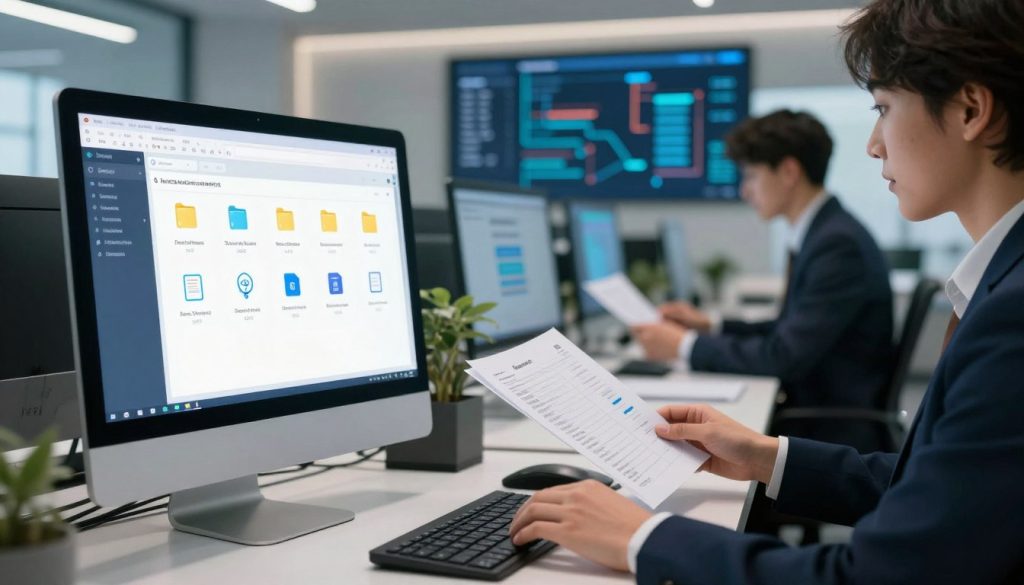
Using Python Scripts for Batch Renaming
Python is great for handling repetitive file operations. You can write simple scripts to scan directories and rename files based on specific patterns or metadata. This is very efficient for users who generate hundreds of images in a single session.
Using libraries like os ou pathlib, you can automate renaming in seconds. This saves you from manually clicking through folders. Instead, you can focus on creative tasks.
Leveraging File Management Software
Specialized file management software offers a visual interface for organizing your assets. Many tools allow you to set up rules that automatically move files into folders based on their file type, date, or custom tags. This software acts as a central hub for your digital collection.
Using these applications, you can apply bulk metadata tags instantly. This makes finding specific assets later much easier. Consistency is the primary benefit of using dedicated software over manual sorting methods.
Creating Automated Workflows for New Generations
Integrating these tools into your daily routine ensures that your backup strategy is always active. You can configure your system to trigger a script or software action the moment a new file is saved. This seamless integration protects your data from the start.
A robust automation setup means you never have to worry about missing a file during your routine backup strategy. The following table highlights the key differences between manual and automated organization methods.
| Fonctionnalité | Manual Organization | Automated Organization |
|---|---|---|
| Time Investment | High | Low |
| Error Rate | Frequent | Minimal |
| Scalability | Limited | High |
| Consistency | Low | High |
Managing Version Control for Iterative Generations
Managing your digital library well means using version control for your creative work. When you make many similar files, version control is crucial for an organized workflow. Without it, you might lose the settings that made your best work.
Tracking Prompt Variations and Seed Numbers
Changing a prompt or seed number makes a new version. Use metadata tagging to add these details to your files. This way, you can easily find and use your best work again.
Keeping a detailed log of your changes makes your library easy to search. Consistency is key for improving a look over time. Make sure your metadata stays with your files, even when they move.
Maintaining a History of Upscaled Versions
Upscaling is important, but it can lead to duplicate files. Keeping a clear history of your upscaled versions helps avoid confusion. Proper metadata tagging helps you tell the difference between a draft and the final version.
Use clear labels like “_v1” ou “_final” to quickly identify files. This habit helps with version control and saves time. It also lets you go back to earlier versions if needed.
Cleaning Up Redundant Files
Don’t waste space on unnecessary duplicates. Regularly check and remove files that are no longer needed. A good version control system makes it easier to know which files to keep.
Keep only your best work to keep your library organized. Deleting clutter is as important as creating new content. By following these steps, you’ll keep your storage space clean and your creativity flowing.
Best Practices for Long-Term Storage and Backup
Keeping your work safe from data loss is key. A good file hierarchy keeps things organized. But, you also need to think about keeping your files safe for a long time. This way, you won’t lose all your hard work.
Implementing the 3-2-1 Backup Strategy
The 3-2-1 backup strategy is the best way to keep your data safe. You need at least three copies of your data. Two should be on different types of media. And one should be in a safe place away from your main location.
Choosing Reliable Hardware for Archiving
For long-term file storage, choose durable over fast. Go for enterprise-grade hard drives or high-quality SSDs. A NAS device is great for automatic, safe backups that grow with your collection.
Regular Maintenance and Integrity Checks
Digital files can get damaged over time. It’s important to check them regularly. Always be mindful of your system’s limits, like the 260-character path limit in old Windows. This can affect file recovery.
Conclusion
Building a professional archive needs strict naming rules and clear folder structures. You now have the tools to make a messy collection neat and easy to find.
Good version control keeps all your work versions organized and easy to find. This way, you won’t lose important data or numbers during your projects.
Using automation for tasks like renaming and sorting files is a smart move. These scripts save you time and help avoid mistakes in your storage.
Being consistent is key for lasting success. Small daily habits can turn your library into a safe and efficient place for future projects.
Begin using these strategies in your work today. Your organized digital library will be a strong base for all your future projects.
FAQ
Why is establishing a specific AI porn file naming convention necessary for a large library?
Without a standard naming convention, your library will eventually suffer from fragmentation. This makes it hard to find specific assets. By using consistent prefixes and avoiding reserved characters, your file system stays stable and searchable.
This practice is key to avoiding accidental data loss. It keeps your ai porn file naming professional and machine-friendly as your collection grows.
What is the best way to structure a logical directory for asset organization?
Organize your folders by project and date for a scalable environment. Categorize content by specific attributes like model and style. Use sub-folders to separate raw versus processed assets.
This ensures your original high-quality files are never overwritten. It provides a clear path for effective asset organization.
How can I protect my collection using an encrypted vault?
Use strong encryption standards like AES-256 to maintain total privacy. Set up a local vault using software like VeraCrypt or Cryptomator. This allows you to manage access permissions and passwords.
This local approach is often better than cloud solutions for sensitive data. It keeps the decryption keys under your control within your private vault.
What technical steps should I take to ensure files sort in chronological order?
To ensure your directory sorts chronologically, standardize your date formats using the ISO 8601 standard (YYYY-MM-DD). Place the date at the beginning of the filename.
This allows the operating system to list files in order. It’s essential for tracking iterative generations and maintaining a clear timeline of your creative work.
How does the 3-2-1 backup strategy apply to long-term digital preservation?
The 3-2-1 method involves keeping three total copies of your data. Store them on two different media types, with one copy off-site. For your library, this might mean having your primary library on an internal Samsung NVMe SSD.
Also, have a local backup on a Western Digital external hard drive, and a third copy in a secure cloud-based vault. This strategy protects your collection from bit rot, hardware failure, and path length constraints.
Can I use automation to manage version control and metadata?
Oui, you can use Python scripts for batch renaming and version control. Track prompt variations and seed numbers. Tools like Adobe Bridge or Eagle can also help manage metadata and tagging.
This creates a clear history of upscaled versions. It helps you efficiently clean up redundant files that clutter your storage.