Understanding Nude AI: Ethical Considerations and Responsible Use
Artificial intelligence has revolutionized image generation, creating both opportunities and challenges. Among these developments, “nude AI” technology has emerged as a controversial topic. This article explores what nude AI is, how it works, its legitimate applications, and the ethical considerations surrounding its use.
What Is Nude AI Technology?
Nude AI refers to artificial intelligence systems designed to generate or modify images to create nude or partially nude representations. These technologies use advanced machine learning algorithms, particularly generative adversarial networks (GANs) and diffusion models, to transform clothed images into nude versions or create entirely new nude images from text descriptions.
The technology has evolved rapidly in recent years, becoming more accessible through various applications and websites. While some platforms market these tools for creative purposes, their potential for misuse has raised significant ethical and legal concerns worldwide.
How Nude AI Technology Works
Nude AI applications typically employ sophisticated neural networks trained on vast datasets of images. These systems learn patterns and relationships between clothed and unclothed human forms, allowing them to generate plausible nude representations based on input images.
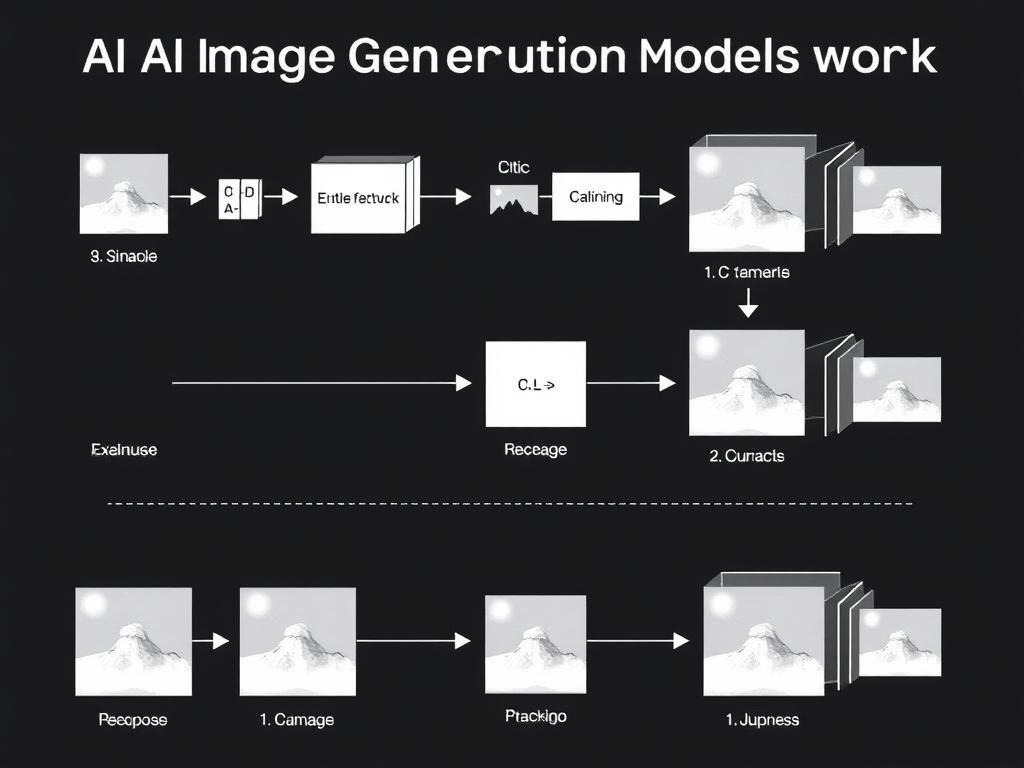
The process generally involves several technical steps:
- Image analysis to identify human figures and clothing
- Body pose estimation to understand the subject’s position
- Texture and color mapping to create realistic skin tones
- Image synthesis to generate the final output
Most commercial applications claim to use filters to prevent the processing of images featuring minors, though the effectiveness of these safeguards has been questioned by researchers and authorities.
Legitimate Applications of AI Image Technology
When used responsibly and ethically, AI image generation technology has several legitimate applications:
Creative and Artistic Expression
Artists and creators use AI tools to explore new forms of digital art, character design, and creative expression. With proper consent and ethical guidelines, these tools can expand artistic possibilities.
Entertainment and Media Production
The film and gaming industries utilize AI image generation for character development, special effects, and virtual environments, reducing production costs and enabling new creative directions.
Explore Ethical AI Art Communities
Join discussions about responsible AI art creation and learn from creators who prioritize ethical considerations in their work.
Ethical Concerns and Legal Issues
The development and use of nude AI technology raise significant ethical and legal concerns that cannot be overlooked:
Major Ethical Concerns
- Non-consensual creation of nude images (deepfakes)
- Violation of privacy and dignity
- Potential for harassment and blackmail
- Exploitation of minors
- Perpetuation of harmful stereotypes
Ethical Safeguards
- Explicit consent requirements
- Age verification systems
- Content moderation and filtering
- Transparent AI development
- Educational resources on responsible use
Recent incidents have highlighted the serious consequences of misusing this technology. In schools across multiple countries, students have faced disciplinary action and legal consequences for creating non-consensual nude images of classmates using AI tools.
The Evolving Legal Landscape
Laws regarding AI-generated nude content vary significantly across jurisdictions, but several important developments are worth noting:
| Region/Country | Legal Status | Key Legislation |
| United States | Varies by state; federal laws apply to minors | SHIELD Act, proposed Take It Down Act |
| European Union | Regulated under various directives | AI Act, GDPR, Digital Services Act |
| United Kingdom | Illegal under certain circumstances | Online Safety Bill |
| Australia | Criminalized non-consensual deepfakes | Online Safety Act |
The U.S. Department of Justice has stated that AI-generated nude images of minors are illegal under federal child pornography laws if they depict “sexually explicit conduct.” Several states have also enacted specific legislation targeting non-consensual deepfakes.
The proposed Take It Down Act, co-sponsored by Senators Ted Cruz and Amy Klobuchar, would create criminal penalties for sharing AI nudes and require social media companies to remove such content within 48 hours of receiving a request.
Protecting Yourself and Others
As nude AI technology becomes more prevalent, taking proactive steps to protect yourself and others is increasingly important:
Social Media Privacy
Review and strengthen privacy settings on all social media accounts. Limit who can see your photos and consider watermarking images you share publicly.
Digital Footprint Awareness
Regularly search for your images online and be mindful of where and how your photos are being used or shared by others.
Reporting Mechanisms
Familiarize yourself with reporting procedures on major platforms to quickly address any misuse of your images or identity.
Learn How to Protect Your Digital Identity
Access comprehensive resources on safeguarding your online presence and responding to potential image abuse.
How Tech Platforms Are Responding
Major technology companies are implementing various measures to address the challenges posed by nude AI applications:
- Meta (Facebook/Instagram) has taken legal action against companies promoting “nudify” apps on its platforms and developed technology to identify such advertisements even when they don’t explicitly show nudity.
- Apple has removed several AI “nudify” apps from its App Store following investigations into their misuse.
- Google has implemented stricter policies regarding AI-generated content in search results and on its platforms.
- Snapchat claims to have “zero-tolerance” for such content and mechanisms to quickly address reports.
Despite these efforts, critics argue that tech companies need to be more proactive rather than reactive in addressing these issues. The National Center for Missing and Exploited Children has noted that victims often struggle to get timely responses when reporting problematic content.
Education and Awareness
Education plays a crucial role in addressing the challenges posed by nude AI technology. Schools, parents, and communities can take several approaches:
“This issue is more complex than just one school, and this is our time and opportunity to treat it as a teachable platform, to shed light on this important issue.”
— Parent of a student affected by AI nude images
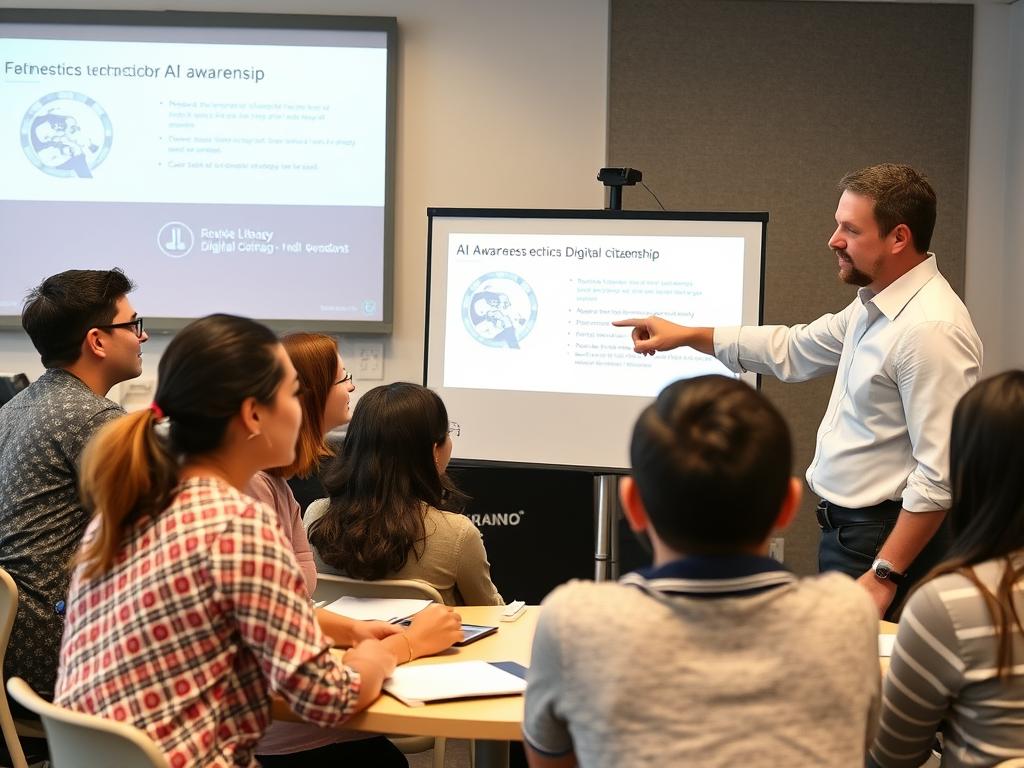
- Incorporate digital citizenship and AI ethics into school curricula
- Host workshops for parents and students on recognizing and responding to technology misuse
- Develop clear policies regarding AI-generated content in educational settings
- Create safe reporting mechanisms for students who experience image-based abuse
- Partner with technology experts to stay informed about emerging threats
Access Educational Resources
Find age-appropriate materials to teach about AI ethics, digital citizenship, and online safety.
The Future of AI Image Technology
As AI image generation technology continues to evolve, several important developments are likely to shape its future:
Technical Advancements
AI systems will become more sophisticated, potentially making detection of AI-generated content more challenging. However, this same advancement may lead to better protective technologies and watermarking systems.
Regulatory Frameworks
Governments worldwide are developing more comprehensive regulations specifically targeting AI-generated content, with a focus on protecting individuals from non-consensual imagery.
The Department of Homeland Security has noted that “deepfakes continue to pose a threat for individuals and industries, including potential large-scale impacts to nations, governments, businesses, and society.” As the technology becomes more accessible and the cost of producing high-quality deepfake content decreases, the need for robust protections becomes increasingly urgent.
Frequently Asked Questions About Nude AI
Is creating AI nude images legal?
The legality varies by jurisdiction and depends on several factors, including consent, age of the subject, and intended use. Creating AI nude images of minors is illegal in most countries. Non-consensual creation of adult nude images may violate various laws related to harassment, defamation, or privacy, depending on the jurisdiction.
How can I tell if an image has been created or modified by AI?
While AI-generated images are becoming increasingly realistic, they often contain subtle inconsistencies in details like fingers, teeth, or background elements. Some tools can help detect AI-generated content, though these detection methods are in a constant race with generation technology.
What should I do if I find AI-generated nude images of myself online?
Document the content (take screenshots), report it to the platform where it appears, contact local law enforcement, and consider consulting with a lawyer who specializes in digital privacy or defamation. Organizations like the Cyber Civil Rights Initiative can provide additional resources and support.
Can platforms completely prevent the misuse of nude AI technology?
While platforms can implement various safeguards, complete prevention is challenging due to the rapid evolution of the technology and the distributed nature of the internet. Effective solutions require a combination of technical measures, legal frameworks, education, and corporate responsibility.
Responsible Engagement with AI Technology
Nude AI technology represents both the remarkable capabilities of artificial intelligence and the profound ethical challenges it can create. As this technology continues to evolve, a balanced approach that acknowledges both its potential benefits and risks is essential.
Responsible engagement requires ongoing dialogue between technology developers, policymakers, educators, and users. By prioritizing consent, privacy, and dignity, we can work toward a future where AI image technology enhances creative expression without compromising fundamental rights.
Join the Conversation on Ethical AI
Participate in discussions about responsible AI development and use. Your voice matters in shaping how these technologies evolve.